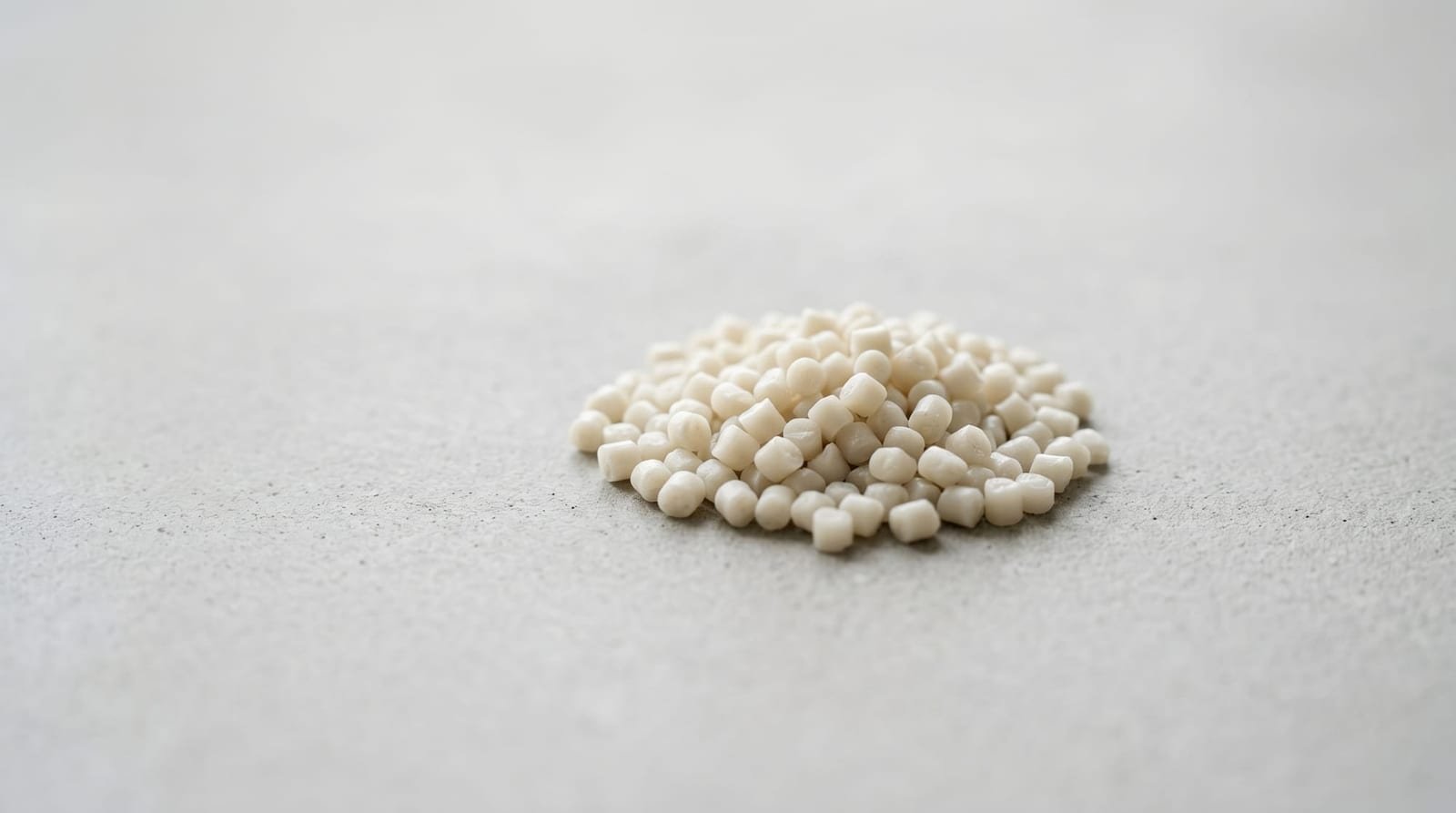
Nucleator BT Masterbatch
Makes PP parts tougher and faster to mould.
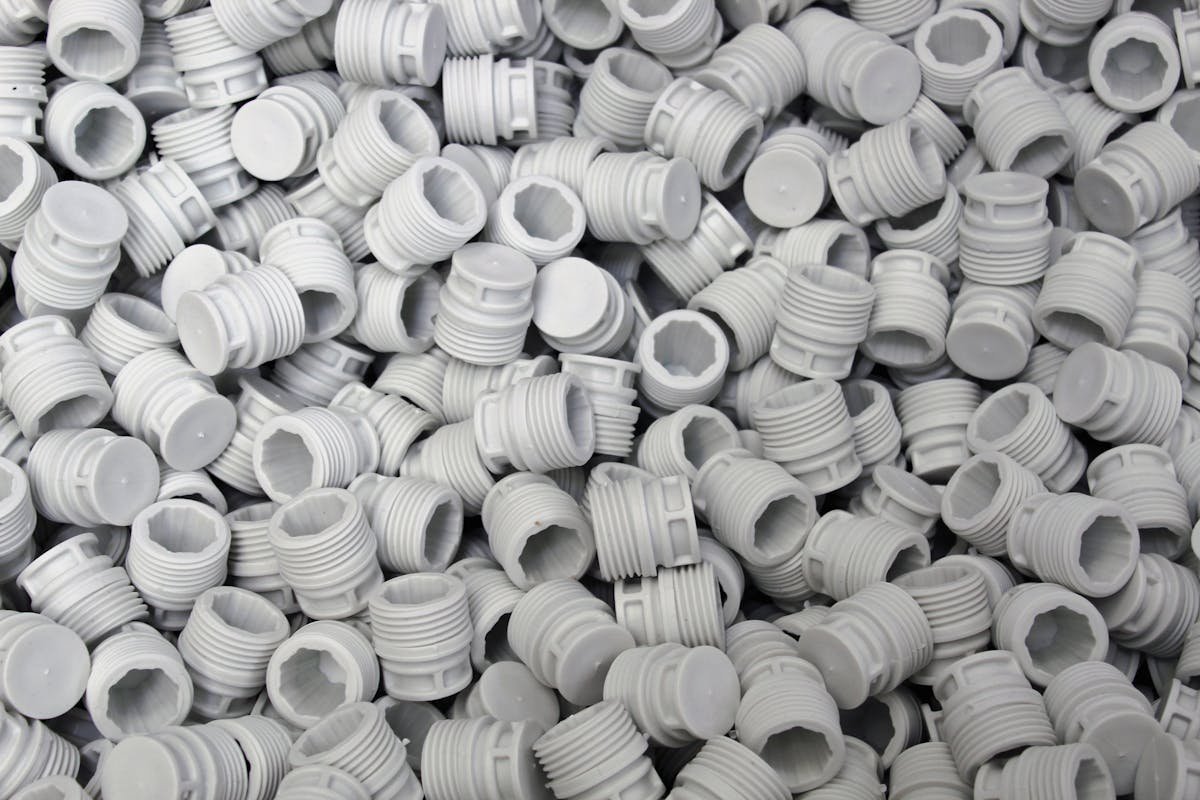
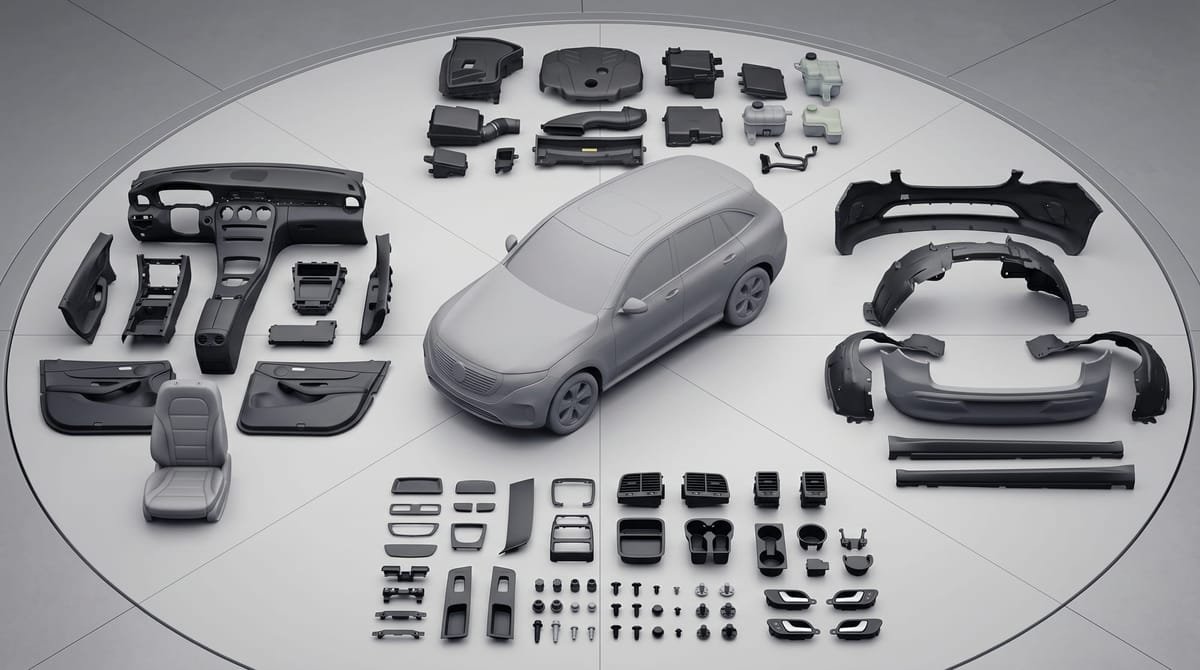
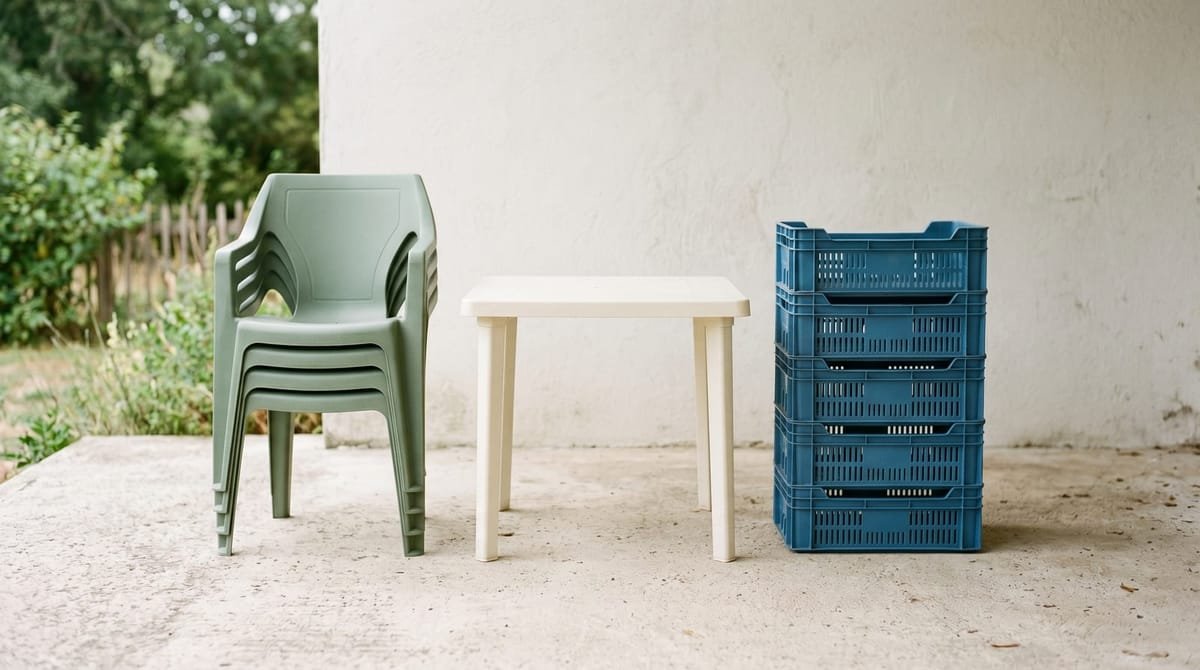
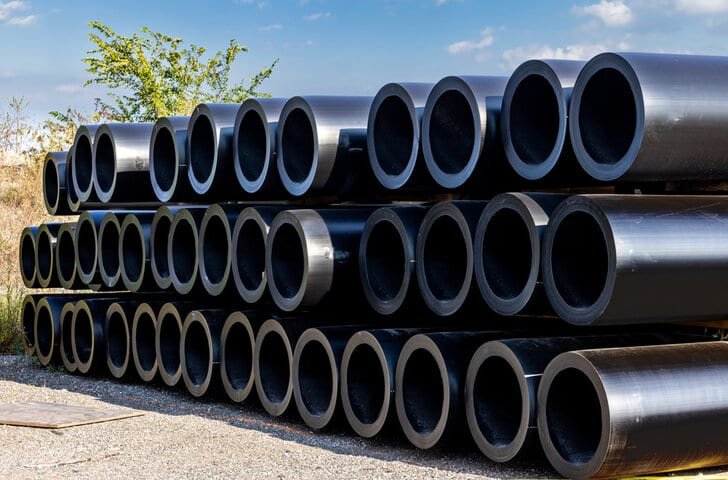
Nucleator BT Masterbatch makes polypropylene tougher and faster to mould. It changes the way PP sets as it cools, giving higher impact strength and shorter moulding cycles without losing much stiffness. Used in PP pipe, automotive parts, thin-wall containers and breathable film.
It is a beta nucleating masterbatch for polypropylene, made by dispersing the nucleating additive on a PP carrier. Added at a low level, it changes the way PP sets as it cools, shifting it towards a tougher beta structure. This makes the PP behave differently: it takes more impact, especially in the cold, stretches further before it breaks, holds its shape better at higher temperatures and sets faster in the mould. It suits parts where toughness, impact resistance and controlled setting matter more than maximum stiffness.
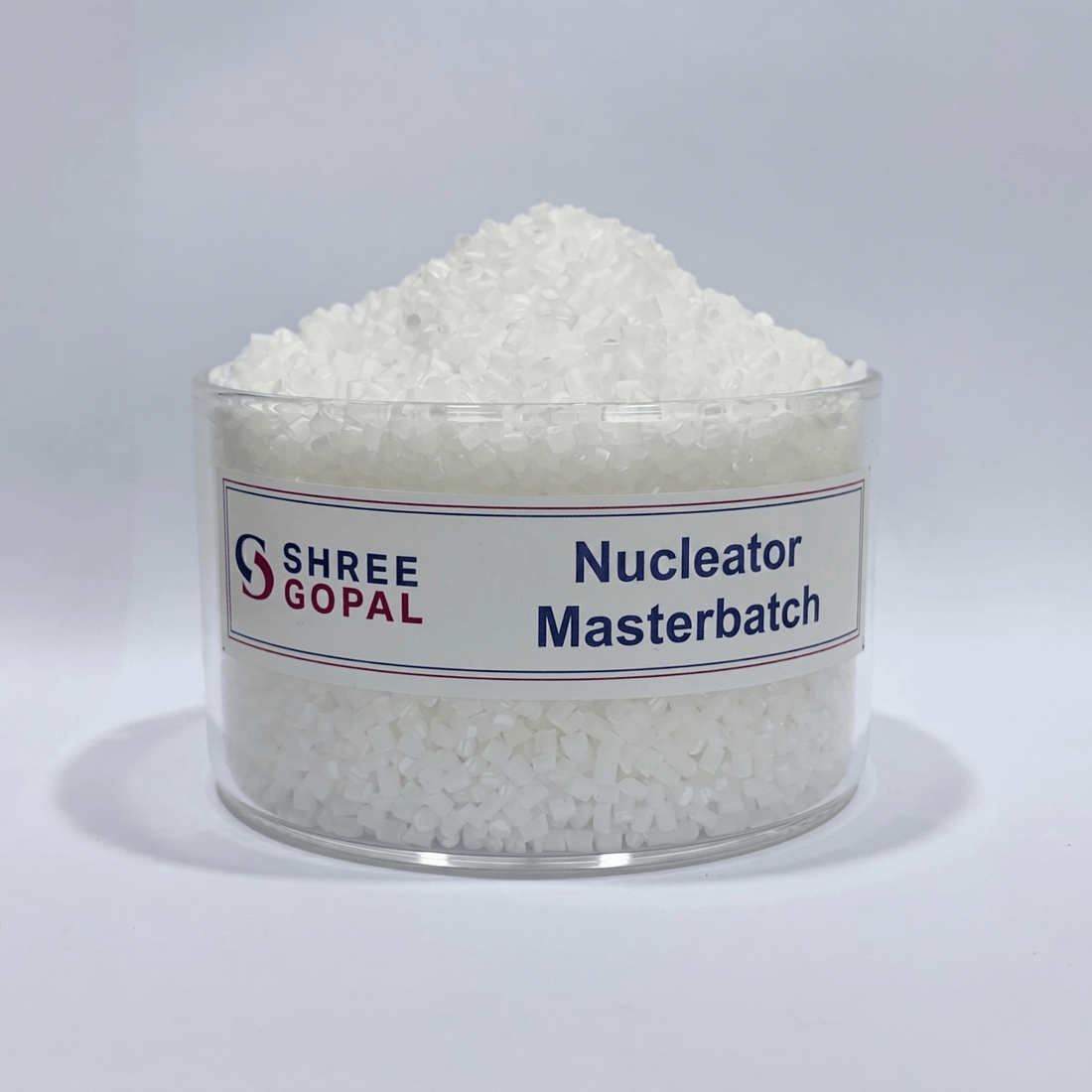
Specifications
Grade-specific values and Certificate of Analysis are provided on confirmed dispatch. Contact us to confirm the right grade for your application.
- Appearance
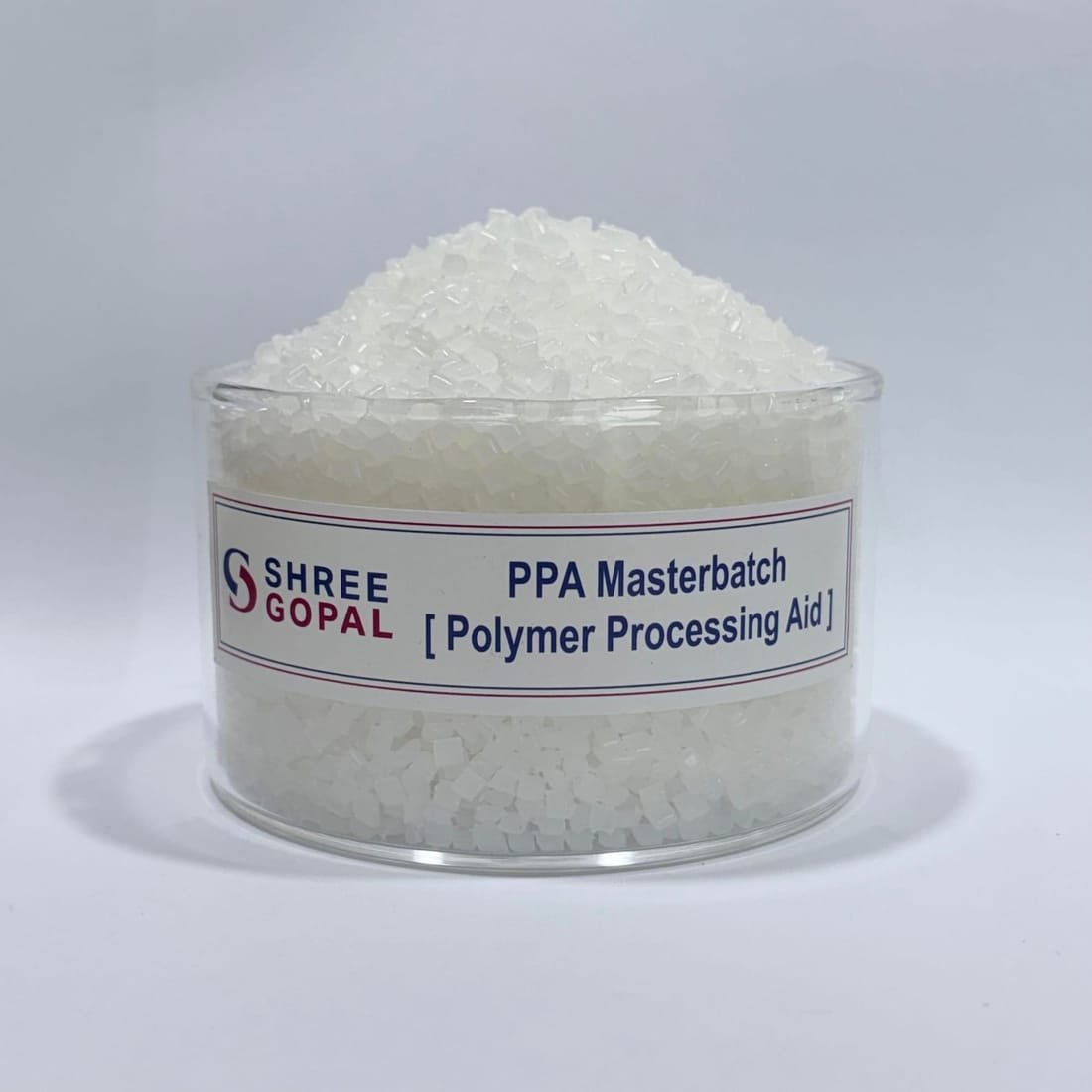
- White cylindrical pellets
- Active chemistry
- Beta-phase nucleating additive
- Carrier resin
- PP
- Recommended loading
- Varies by application; recommended dosage shared per grade
- Function
- Raises impact strength and toughness; shortens injection cycle time in PP
- Packaging
- 25 kg PP bags
Key benefits
Higher impact strength
The beta structure absorbs energy as the part flexes, raising impact strength even in cold conditions.
Stiffness with toughness
It lifts heat resistance and toughness while keeping most of the stiffness, so thin-wall parts resist cracking without warping.
Faster moulding cycles
Parts firm up sooner as they cool, so each moulding cycle is shorter.
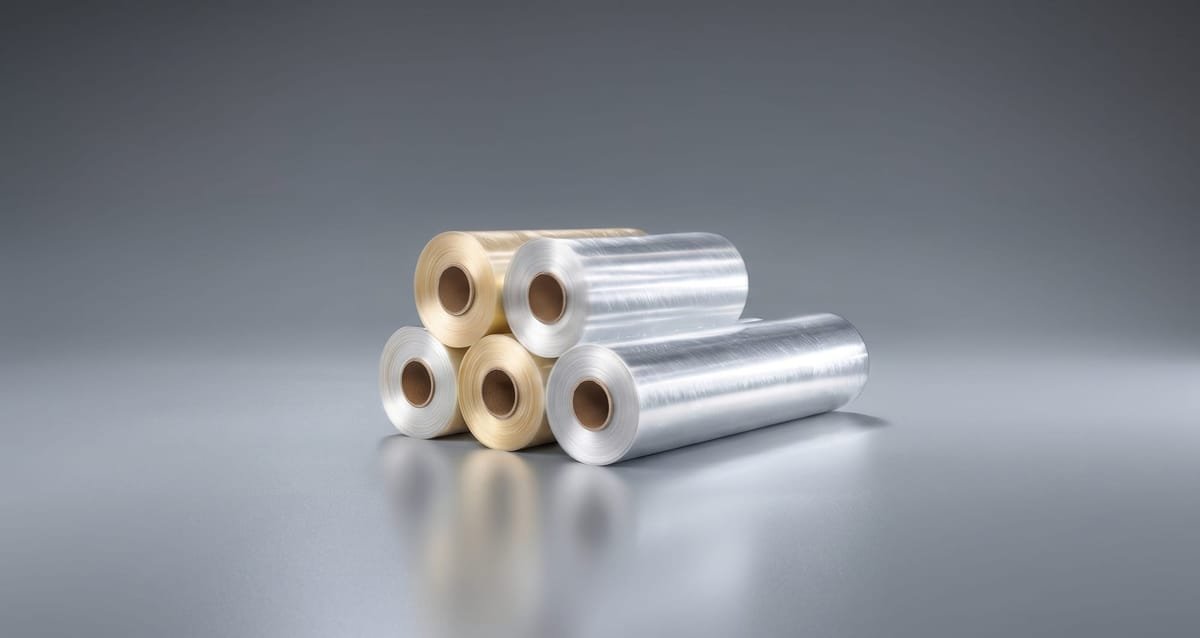
Microporous & breathable film
When the film is stretched, the beta structure opens up small, even pores, making breathable film for hygiene products.
Applications

Frequently asked questions
What is Nucleator BT Masterbatch used for?
It helps polypropylene set faster and more evenly, improving clarity, stiffness and moulding cycle time. Typical uses include clear containers, thin-wall packaging and moulded parts.
Which polymers does it work with?
It is formulated mainly for polypropylene. We match the carrier to your resin so it disperses cleanly during processing.
Can I get a trial sample?
Yes. Share your base resin, end application and your resin and the clarity or cycle improvement you want, and we will ship a matched grade for line evaluation along with a Certificate of Analysis.
Does it improve clarity?
Yes. By helping the polymer form a finer, more uniform structure, it improves clarity and stiffness in polypropylene parts.
What is the typical lead time?
Standard grades ship in 7 to 14 working days from order confirmation. Custom formulations matched to a specific application take 3 to 4 weeks. We confirm an exact timeline at the quote stage.