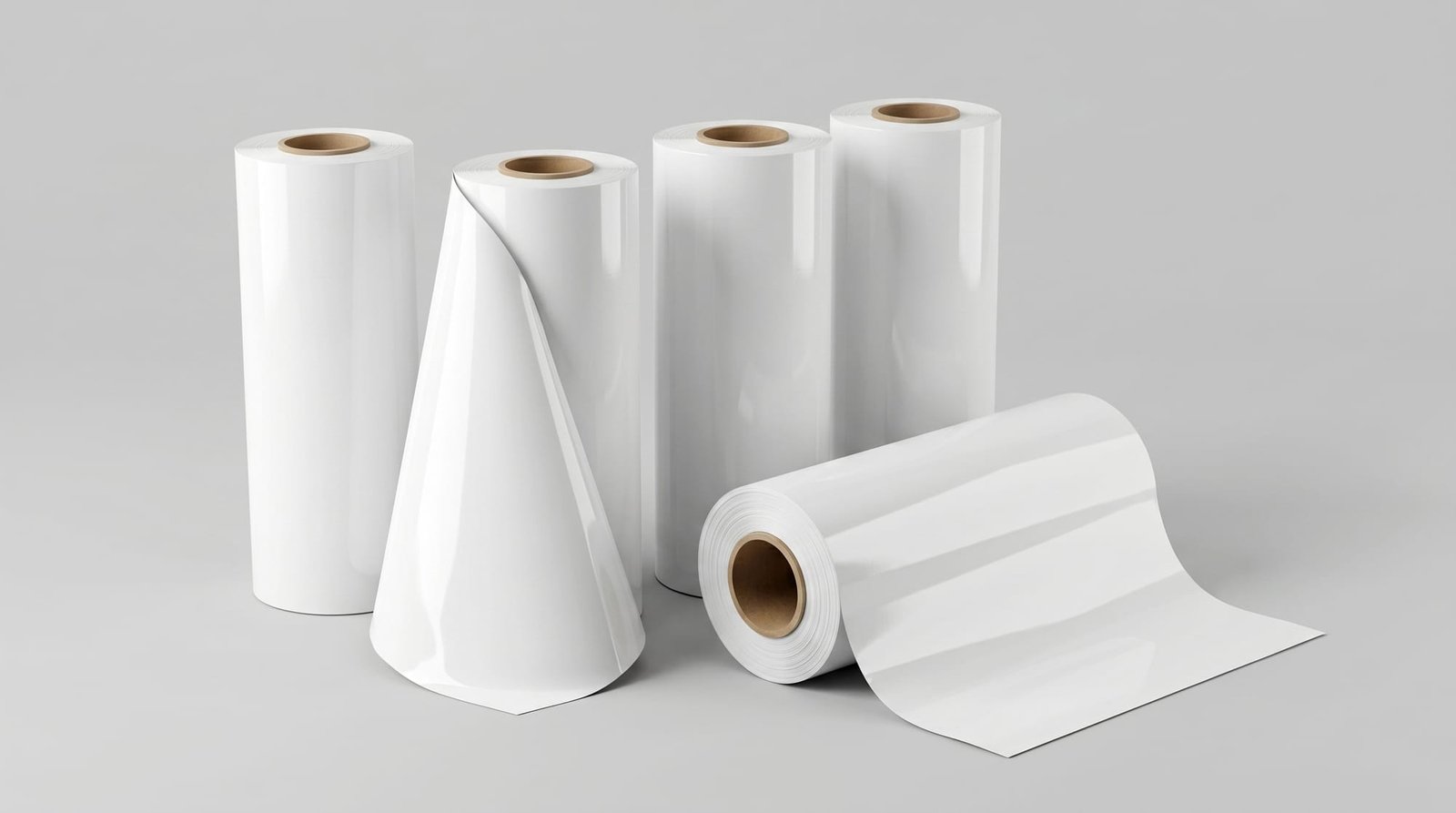
Optical Brightener Masterbatch
Masks the yellow tint in recycled polymer for a cleaner, brighter look.
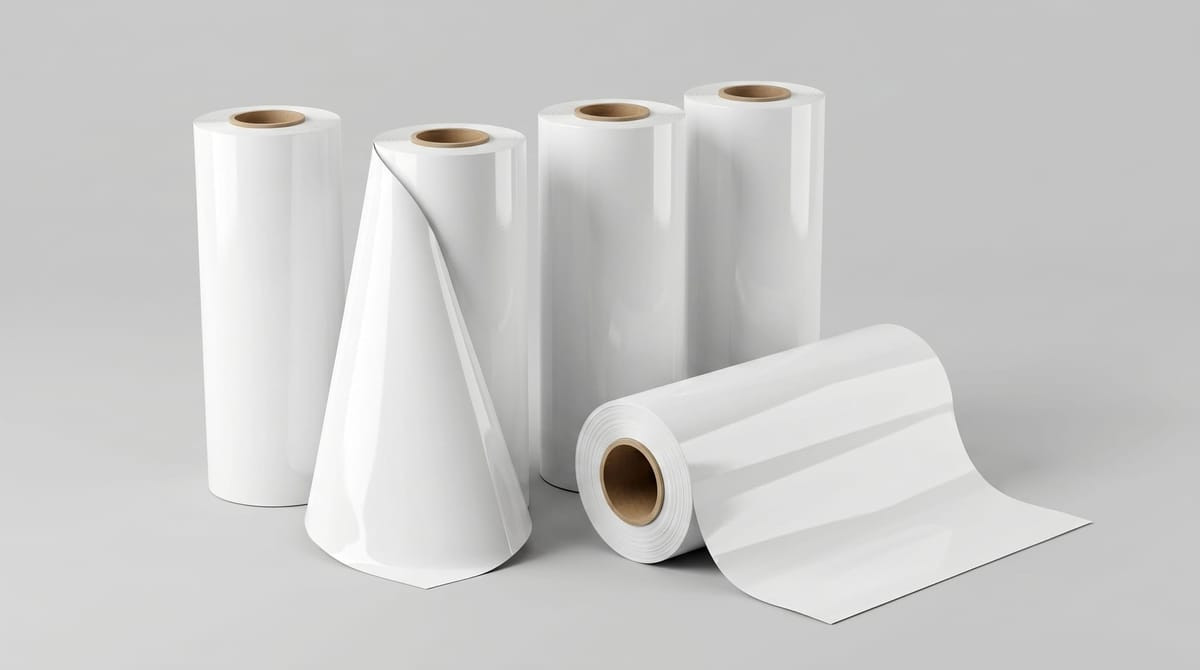
Optical Brightener Masterbatch (OB) makes plastic look whiter and brighter by cancelling out yellow tint. It absorbs invisible UV light and re-emits it as a faint blue glow, which the eye reads as a cleaner white. Used to lift whiteness in PE, PP, recycled polyolefins, white film and sheet.
An optical brightener ready-dispersed in a polyolefin pellet. It takes in invisible UV light and gives it back as a faint blue glow. That extra blue cancels the yellow tint in recycled or aged plastic, makes white masterbatches look whiter, and corrects yellowing on clear film.
Specifications
Grade-specific values and Certificate of Analysis are provided on confirmed dispatch. Contact us to confirm the right grade for your application.
- Appearance
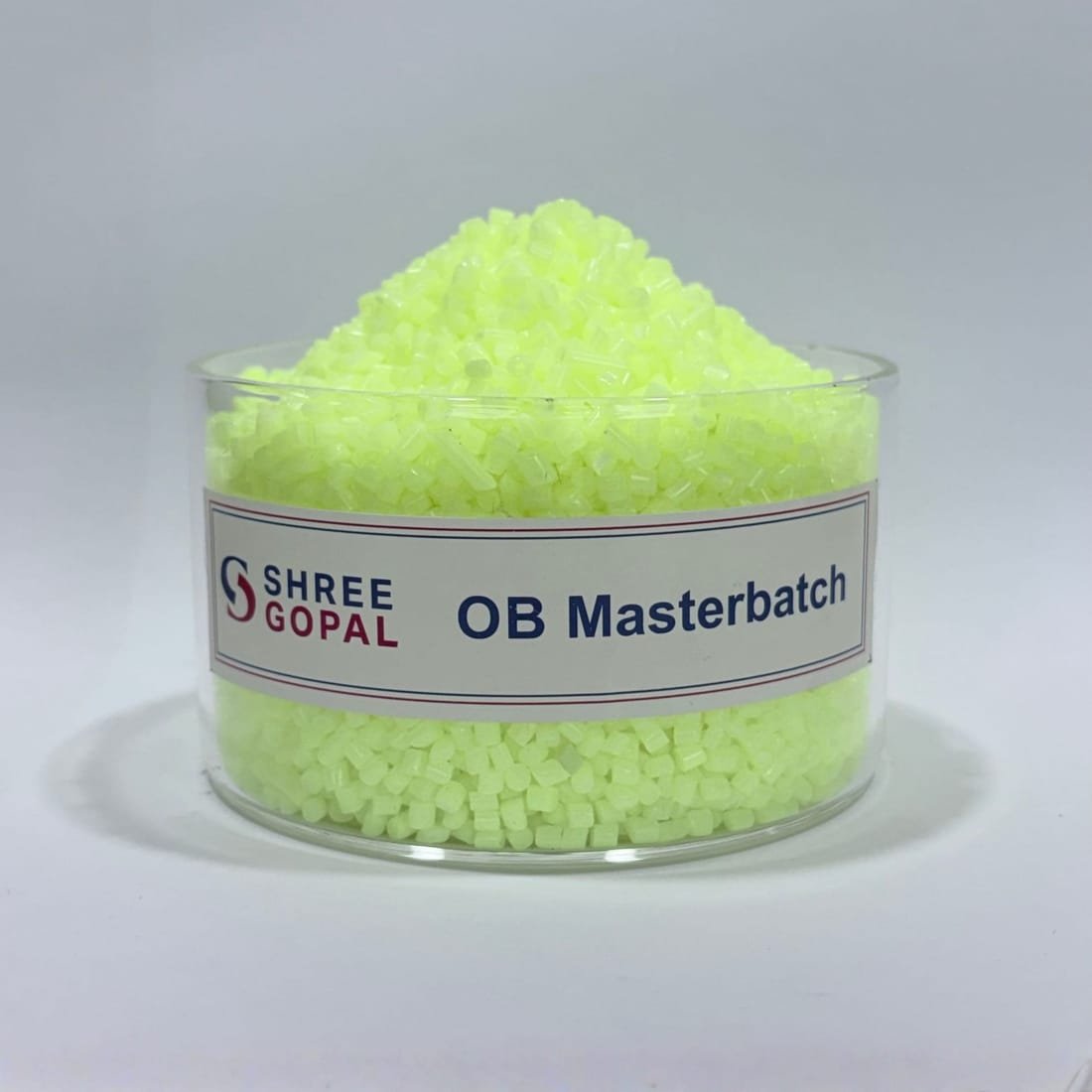
- Fluorescent yellow-green cylindrical pellets
- Active chemistry
- Fluorescent whitening agent: OB, OB-1 and KCB types
- Carrier resin
- Polyolefin (LDPE/LLDPE/PP); polyester or PVC/acrylic-compatible carriers for engineering- and clear-polymer grades
- Recommended loading
- Varies by application; recommended dosage shared per grade
- Function
- Enhances perceived whiteness, removes yellow tinge
- Packaging
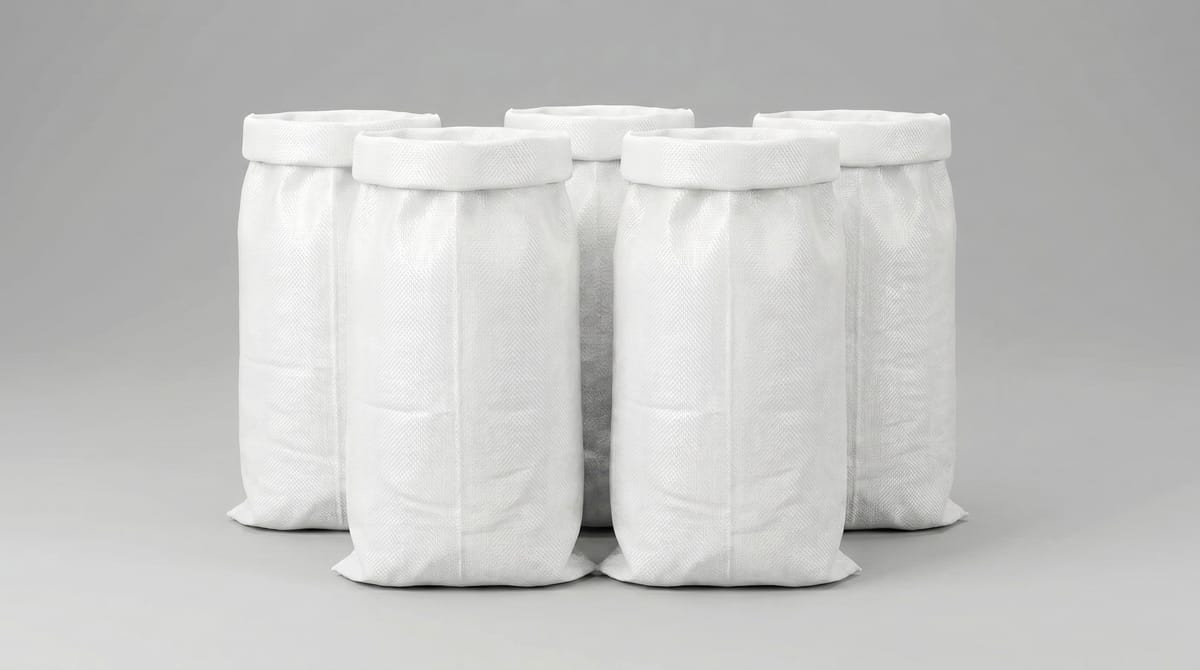
- 25 kg PP bags
Key benefits
Enhanced whiteness & brightness
Makes white masterbatch grades look whiter and corrects yellowing on clear film.
Restores brightness in recycled material
Restores brightness in recycled material that has dulled after repeated heat cycles.
Removes yellow tinge from recycled material
The faint blue glow cancels the natural yellow tint of aged plastic.
Cost-effective vs more titanium dioxide
Boosts whiteness using only a small amount, far less than adding more white pigment.
Applications
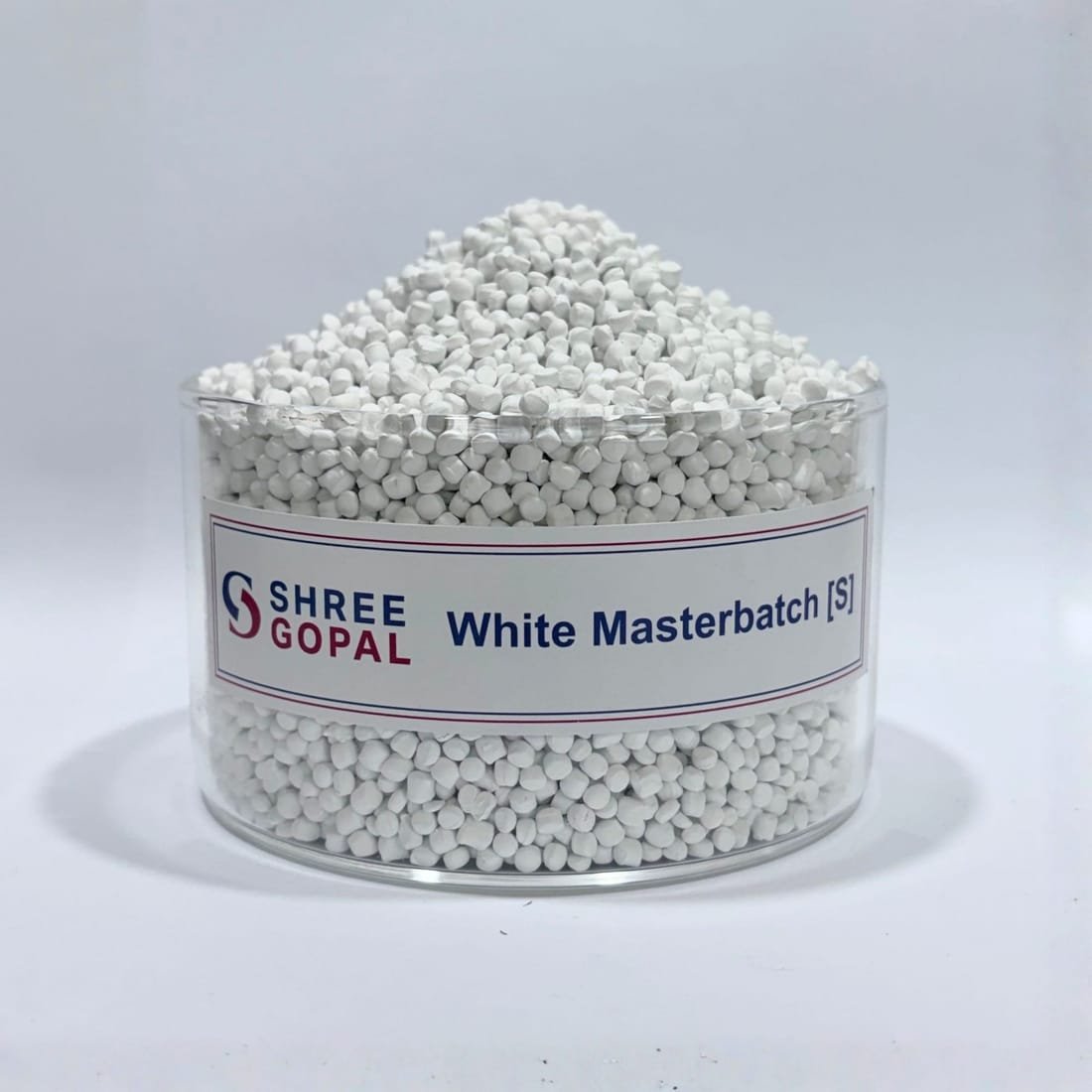
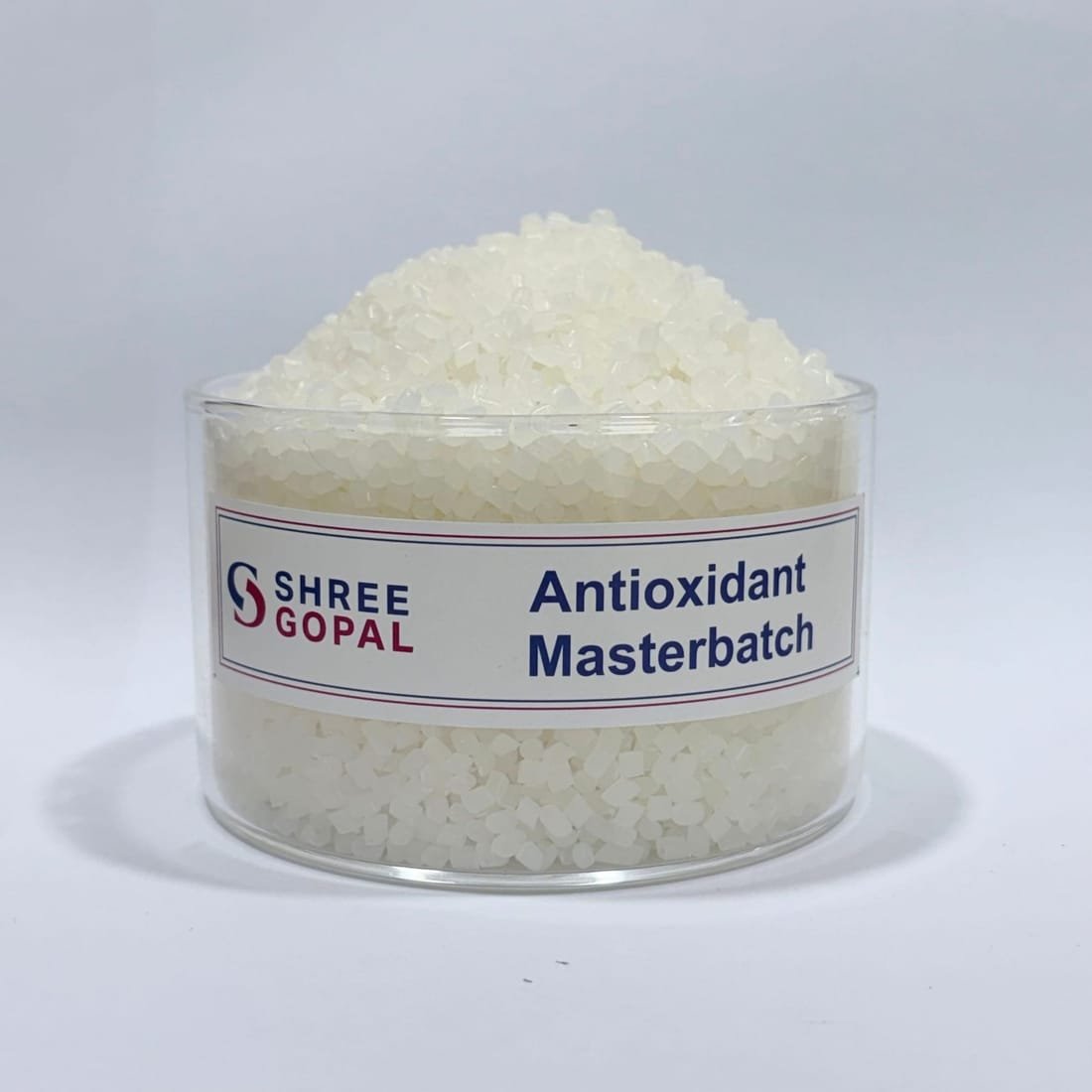
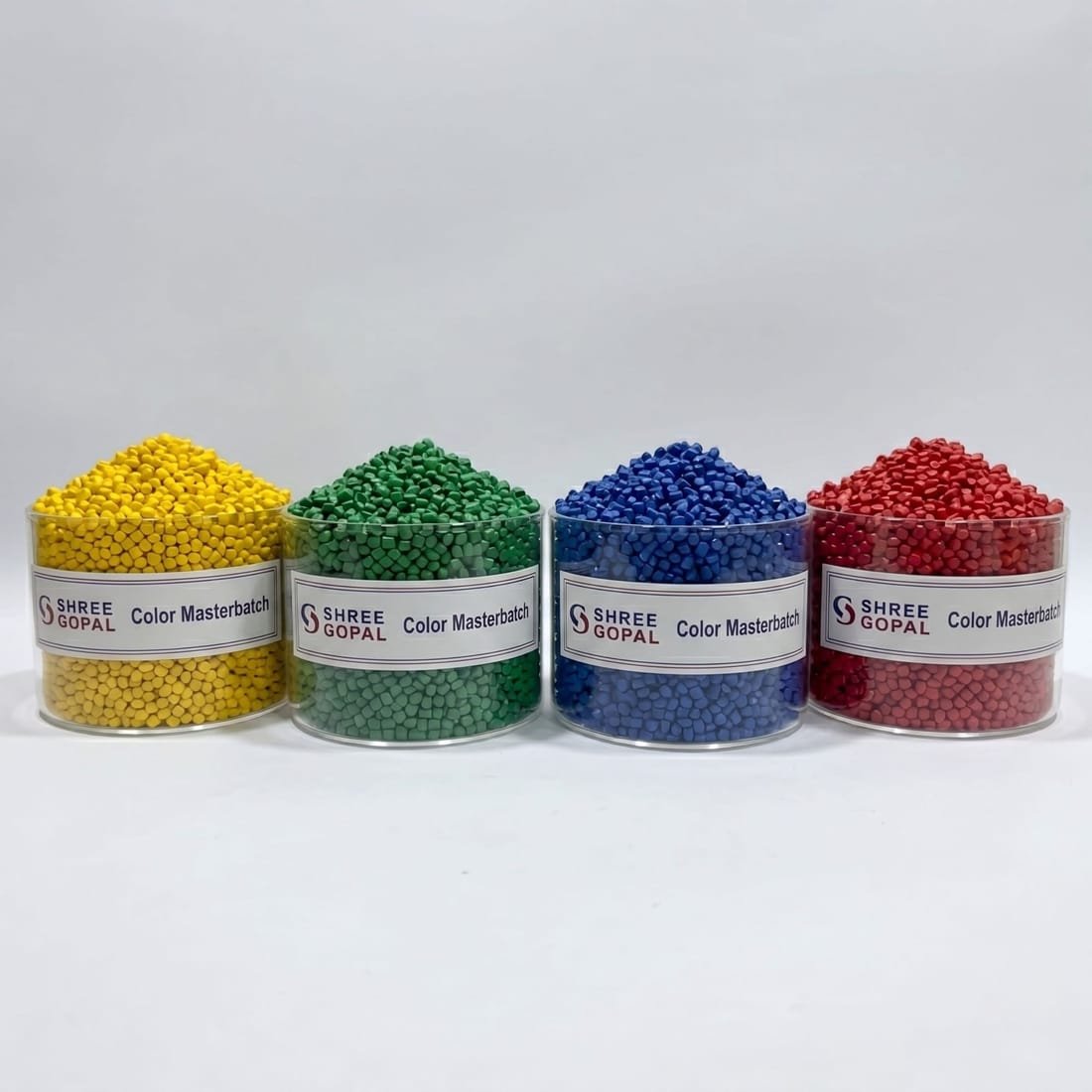
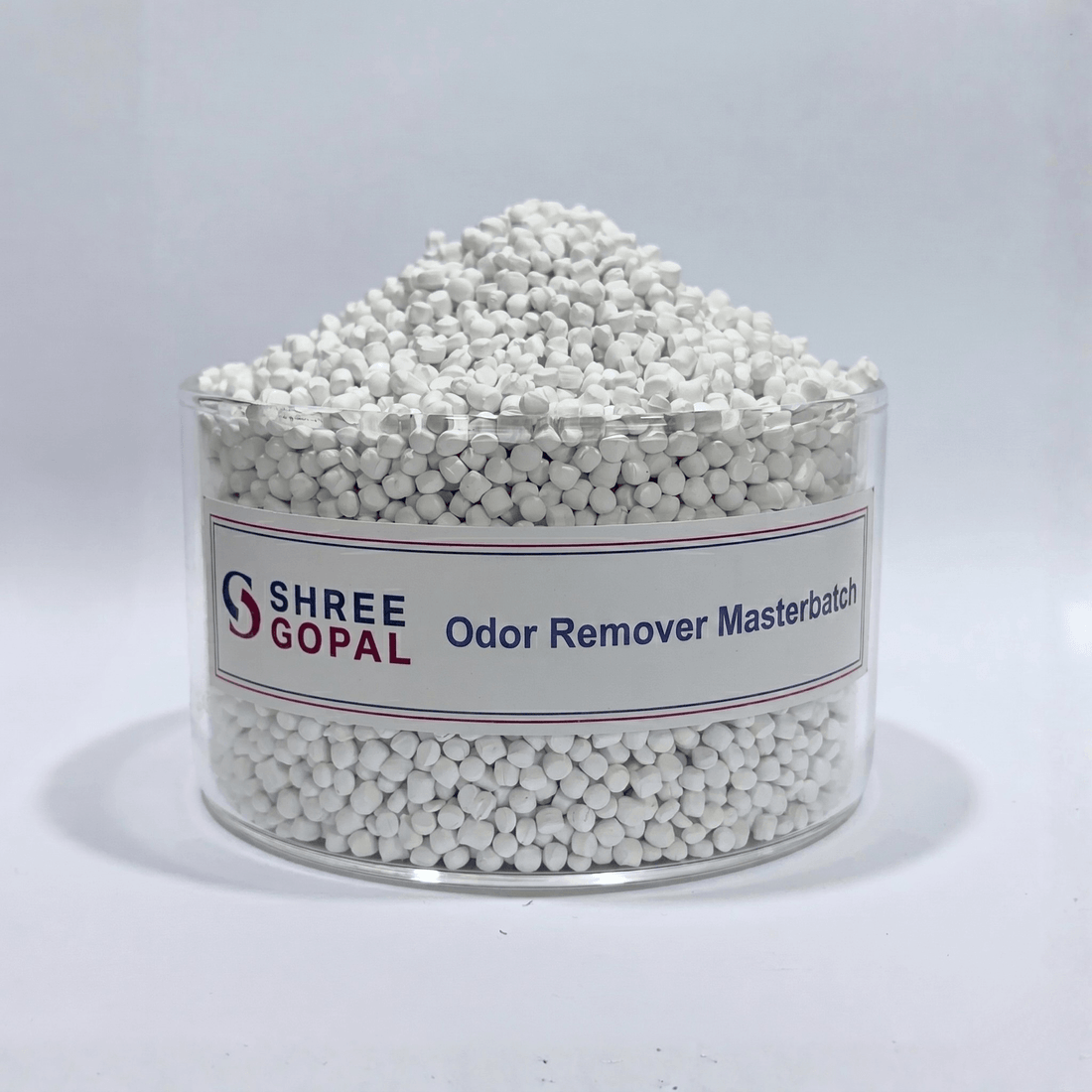
Frequently asked questions
What is Optical Brightener Masterbatch used for?
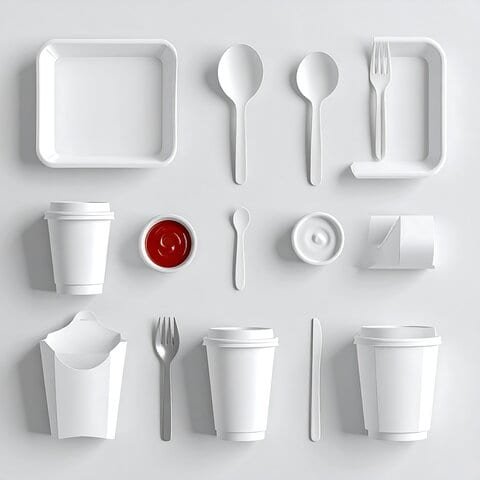
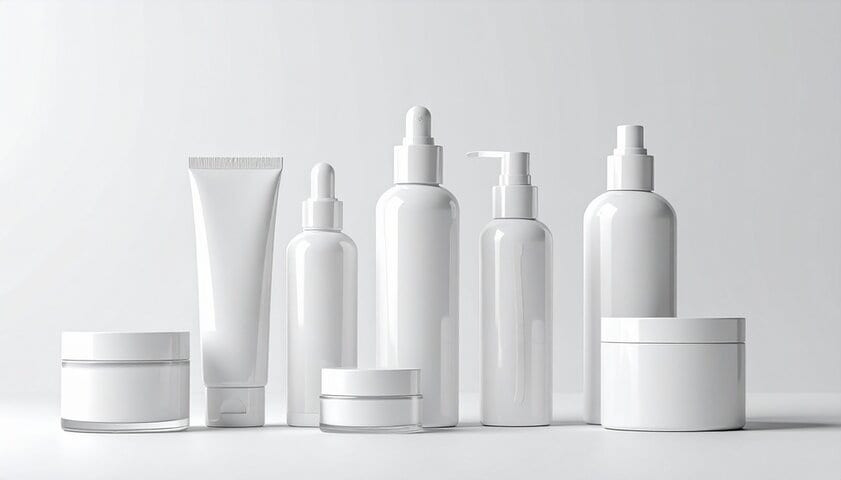
It makes white and clear plastics look brighter and whiter by reducing the natural yellow tint. Typical uses include packaging film, fibres, sheet and moulded parts.
Which polymers does it work with?
Standard grades are compatible with polyethylene and polypropylene. We match the carrier resin to your base resin so the masterbatch melts and disperses cleanly during processing.
Can I get a trial sample?
Yes. Share your base resin, end application and your resin and the brightness you want, and we will ship a matched grade for line evaluation along with a Certificate of Analysis.
Does it work with colours too?
It is mainly used to lift whites and clears, but it can also brighten light shades. Share your part and we will advise a suitable loading.
What is the typical lead time?
Standard grades ship in 7 to 14 working days from order confirmation. Custom formulations matched to a specific application take 3 to 4 weeks. We confirm an exact timeline at the quote stage.